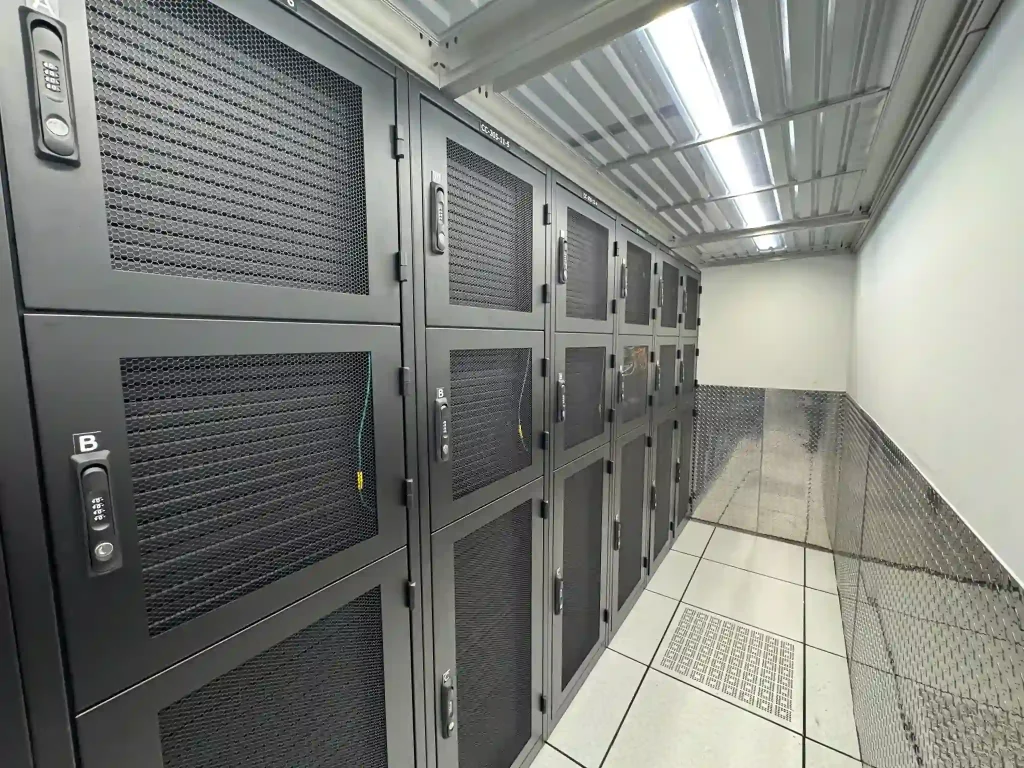
Colocation means renting secure space for hardware you already own. For example, a colocation provider supplies rack space, physical security and network connectivity, while you supply the servers. You own, use and maintain that equipment, but you rent the room it lives in. Since you share power, cooling and floor space with other tenants, your costs drop. Providers lease colo space by the rack, cabinet, cage or room.
Cloud storage and cloud computing give you remote access to storage and compute over the internet. Cloud resembles colocation because tenants share the same underlying space. The difference is ownership, since the cloud provider supplies and manages the servers, storage and network hardware. That provider's staff also handles day-to-day maintenance, troubleshooting and issue resolution. In short, cloud computing is full-service server sharing, while colocation leaves you in control of the hardware.
Colocation cuts capital expense, utility bills, security costs and floor space. How much you save depends on the arrangement you choose. When done correctly, colocation protects your IT services and helps your company grow.
Colocation works best for companies that already run some form of IT infrastructure. A nearby facility saves money, because you do not pay for services and management you do not need. Your own IT team can still handle updates, repairs, maintenance and upgrades.
Miami is one of the five most interconnected cities in the world. Our Miami colocation data center sits inside that hub, engineered as a secure, redundant facility. Our N+1 infrastructure keeps your servers online 24/7. Those colocation services keep evolving, since customer requirements rarely stay still. Physical security, access control and monitoring protect your data around the clock.
Our Miami colocation facility runs inside a 99.999% mission-critical, SOC 2 Type II data center. Clients can access the site 24/7. Our certified engineers and technicians give colocation clients hands-on support. That support runs through our fully automated Network Operations Center (NOC), so our team catches issues early. You can review full specifications on our Miami data center page.
Colocating with Vault Networks is a low-cost move. You get enterprise infrastructure without owning and operating a costly facility yourself. Colocation in Miami also positions you to expand into Latin America, because less distance means less latency. Schedule a tour of our Miami data center, or request a quote so we can size your space.
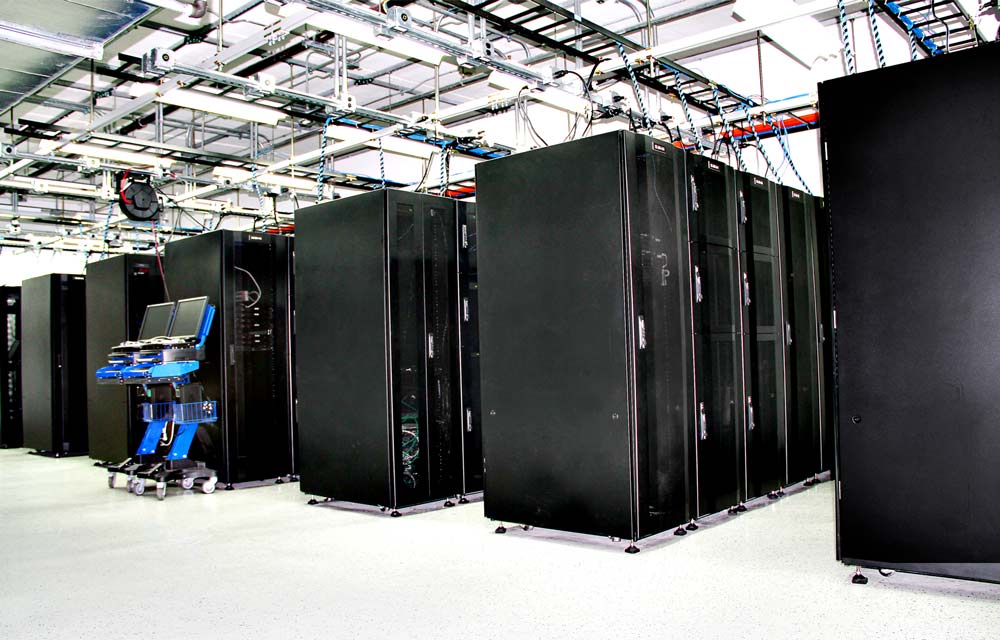
Greater Network Redundancy: Vault Networks offers maximum uptime, so your business-critical applications stay accessible. Eleven network carriers terminate fiber at our Miami colocation data center.
Regulatory Compliance: Housing or replicating your IT systems in our data center supports your compliance work. That includes Sarbanes-Oxley, the HIPAA Security Rule, federal banking regulations and SOC 2 Type II.
Disaster Recovery: Outsourcing disaster recovery to Vault Networks gives you peace of mind. If your primary system goes down, the network switches to a duplicate system here. That costs a fraction of an in-house DR site.
Connectivity: Colocation gives you the connectivity and redundancy you need, without the budget-busting cost of T1 or DS3 lines.
BGP4 Routing: If one provider’s connection fails, BGP4 fails over instantly. It reroutes your traffic through another provider, so downtime does not reach you.
Experience: We have managed data centers for years, so our on-site staff keeps mission-critical systems running 24/7.
Service Level Agreement (SLA): Our SLA is strict, because consistent service is what you are paying for. In fact, we guarantee 99.999% facility and network uptime.
Technical Support: Our certified engineers and technicians answer 24/7, so you are never stuck waiting for business hours.
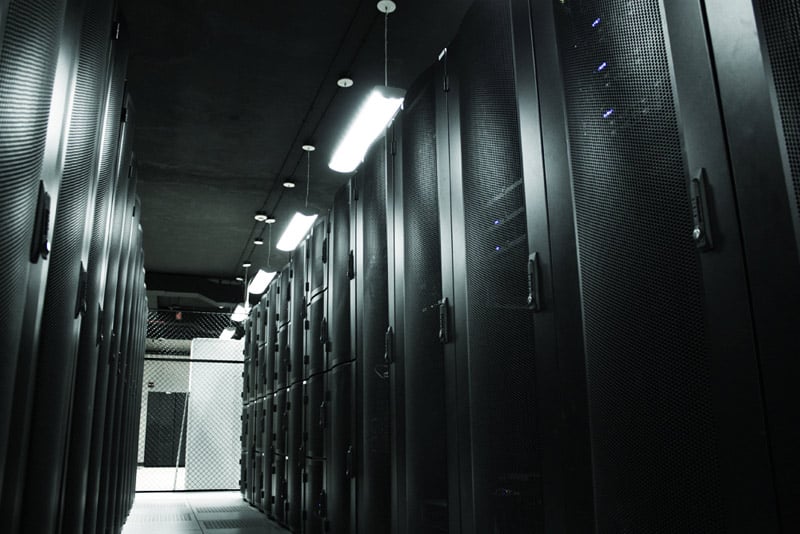
Space starts at a quarter rack and scales to a full cabinet, cage or private suite. If you need hands at the rack, our remote support team handles reboots, media swaps and cabling. Teams that want the hardware managed for them often pair colocation with managed services or bare metal dedicated servers. You can also compare MIA1 and MIA2, or add Fort Lauderdale or Atlanta as a second site. Tell us your rack, power and bandwidth targets, and our team will map them to the right site and cabinet size.